

This item is part of our special edition
”Buddhist Education in Latin America and Spain”
Buddhism has been one of the most influential intellectual and spiritual currents in Asia, and its impact is still felt today on cultures, arts and ways of life in an immense and diverse region. For more than two thousand years, their ideas, practices and communities have accompanied profound historical transformations and have helped to shape lasting cultural landscapes, with a presence that crosses borders, languages and eras.
One of the most persistent and revealing expressions of that influence is Buddhist art: an extraordinarily broad and plural visual legacy that brings together architecture, sculpture, painting, calligraphy and ritual objects. For centuries, these forms have transmitted the Buddha's teachings through a symbolic language capable of adapting to very different contexts without losing continuity, articulating stories, values and spiritual experiences for diverse communities.
For those who wish to enter this artistic and spiritual universe, the Dharma-Gaia Foundation (FDG), in collaboration with the Autonomous University of Barcelona (UAB), presents the online course “Introduction to Buddhist Art: Beyond the Image”. This is a 100% virtual program of 25 teaching hours, taught by specialized teachers, scheduled to start in September 2026
An unparalleled visual heritage
Buddhist art spans an immense and extraordinarily diverse geography. From the revered stupas of Sri Lanka to the monumental complex of Borobudur, in Indonesia; from the caves of Ajanta, in India, to the golden pagodas of Myanmar; from the Tibetan monasteries of the Himalayas to the caves of Dunhuang, in China, and the Zen temples and gardens of Kyoto. Buddhism has shaped cultural landscapes, imaginary landscapes and spiritual practices through artistic forms that today continue to amaze the world with their scale and refinement.
This heritage ranges from monumental sculptures several meters high to miniatures of extraordinary precision that fit in the palm of the hand, and from impressive architectural complexes to delicate calligraphy. It constitutes not only an artistic treasure, but also a vehicle for transmitting Buddhist thought and spirituality over the centuries: a system of meanings that guides devotion, religious memory and, in many cases, contemplative practice.
Who is it aimed at and level of access
The course is aimed at the general public interested in art history, Asian cultures and contemplative traditions. It is also relevant for students and professionals in the humanities and related disciplines who are looking for tools to interpret the legacy of Buddhist art (for example, in teaching, museums, research or artistic creation).
The approach is introductory and progressive, so it does not require prior specialization. Curiosity and willingness are enough: observe carefully, describe, compare and interpret images and spaces. The objective is to understand how meaning is constructed in objects, architectures and practices within their historical and cultural contexts.
Training objectives
The course provides tools for understanding and interpreting manifestations of Buddhist art, from the first aniconic representations in India to contemporary proposals in different contexts. The central purpose is to provide keys to decipher the symbolic meaning of works in relation to doctrinal principles and Buddhist practices and to develop criteria for analyzing significant pieces and places, identifying figures, forms and ideas that have shaped this visual history. At the end, students are expected to have built a more precise and nuanced view, capable of appreciating the diversity of Buddhist art and, at the same time, recognizing continuities, conventions and the creative power of this cultural and spiritual language.
Structure and content of the program
The modular organization provides a clear guide for following the historical and doctrinal evolution of Buddhist art. The program is organized into four modules: Early Buddhism, Mahayana Buddhism, Vajrayana Buddhism, and Modern Buddhism. This sequence allows us to follow the evolution of Buddhist art from its origins in the Indian subcontinent to contemporary expressions, taking into account both iconographic continuities and transformations derived from geographical expansion and cultural exchanges.
The program is dedicated to exploring the complex and ancient interconnection between Buddhist doctrine and its manifestations through the visual arts. The course explores the relationship between doctrine and visual culture, showing how diverse images, spaces and ritual objects articulate stories, values and practices. Throughout the sessions, attention is paid to the symbolic logic that structures these manifestations and their role in contexts of veneration, ritual and meditation, in addition to their historical and cultural relevance, is examined.
The tour covers key regions, such as India, Central Asia, China, Southeast Asia, Korea and Japan, through the analysis of emblematic works, reference monuments and archaeological evidence. The objective is for students to learn to “read” Buddhist art with interpretive tools: to understand what is represented, why it is represented in this way and what functions it performs within a specific religious and cultural framework.
Online format and methodology
The course will be delivered completely online. This modality makes it easier to work with high-quality visual material and to get closer to works preserved in museums and heritage sites around the world, with levels of detail that are difficult to sustain during a face-to-face visit. Teaching combines theoretical exposure and guided analysis of works, relying on digital resources and complementary materials linked to the contents.
A Journey Through Four Fundamental Traditions
1. Art of Early Buddhism
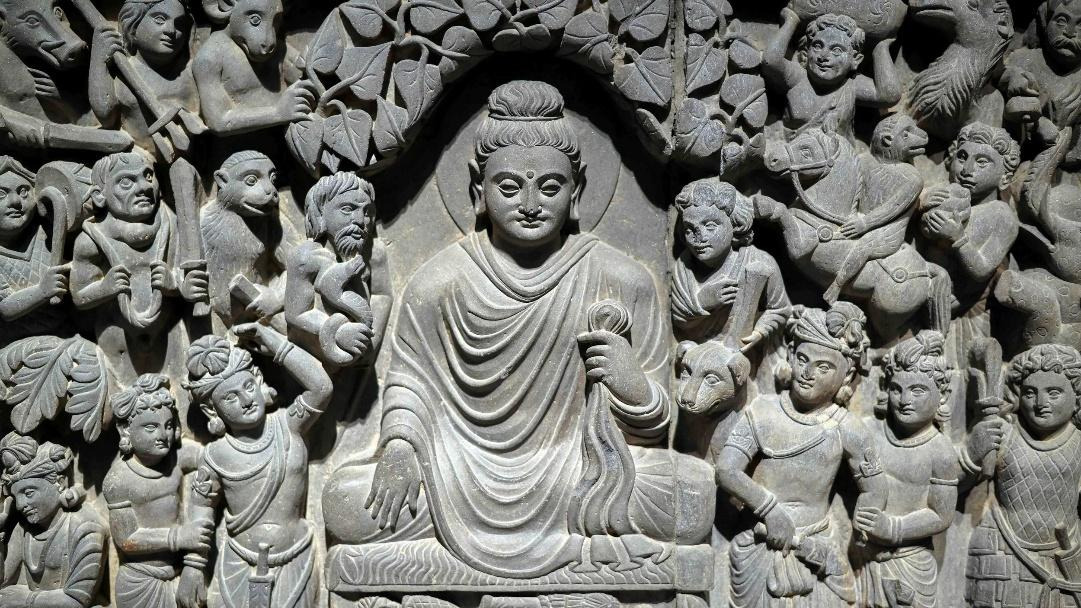
In charge of Cristina Nualart (IE University), a specialist in Indian art and early Buddhism, this module explores the origins of art in India, the first symbolic representations and the development of the iconography of the Buddha.
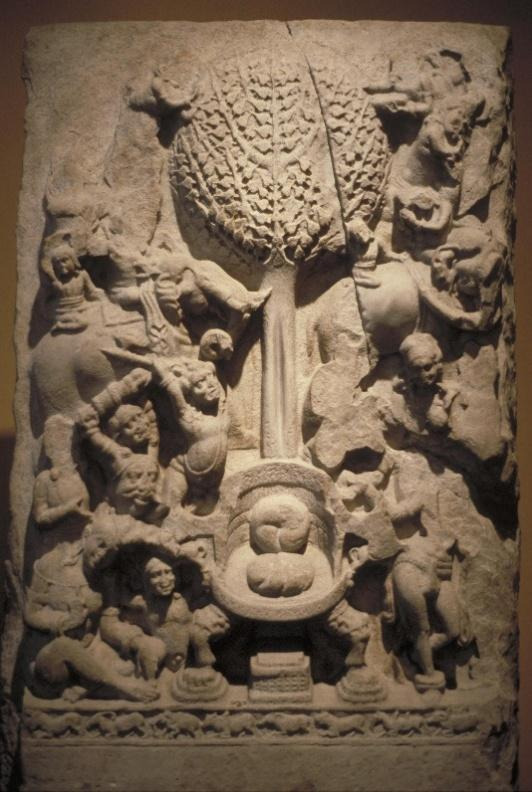
The first centuries of Buddhist art are fascinating because they show us how a visual language was built to express very abstract philosophical concepts. Initially, the Buddha was not represented in human form (aniconism), but through symbols such as the Dharma wheel, the Bodhi tree, his footprints or the empty throne. We will study how and why the transition to anthropomorphism occurred and how the canons that would define Buddhist art were established for millennia.
This block will also study the great stupas of Sanchi, Bharhut and Amaravati, true narrative compendia that recount episodes from the life of the Buddha and his previous lives (Jātakas), as well as the first schools of Buddhist sculpture in Gandhara and Mathura, which merged Hellenistic and Indian influences.
2. Art of Mahayana Buddhism
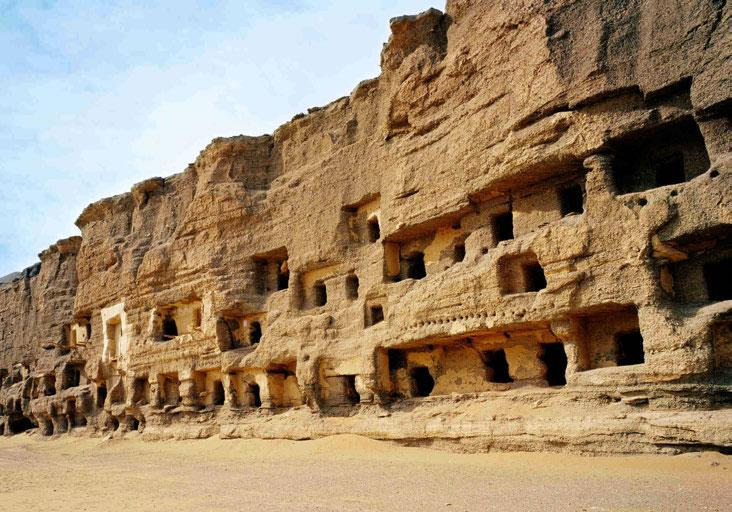
Taught by the Dr. Núria Ribas-Valls, associate professor of Art History at the Autonomous University of Barcelona (UAB) and a specialist in East Asian art, this module analyzes the iconographic expansion of Buddhism through the Silk Road and its influence on China, Korea and Japan.
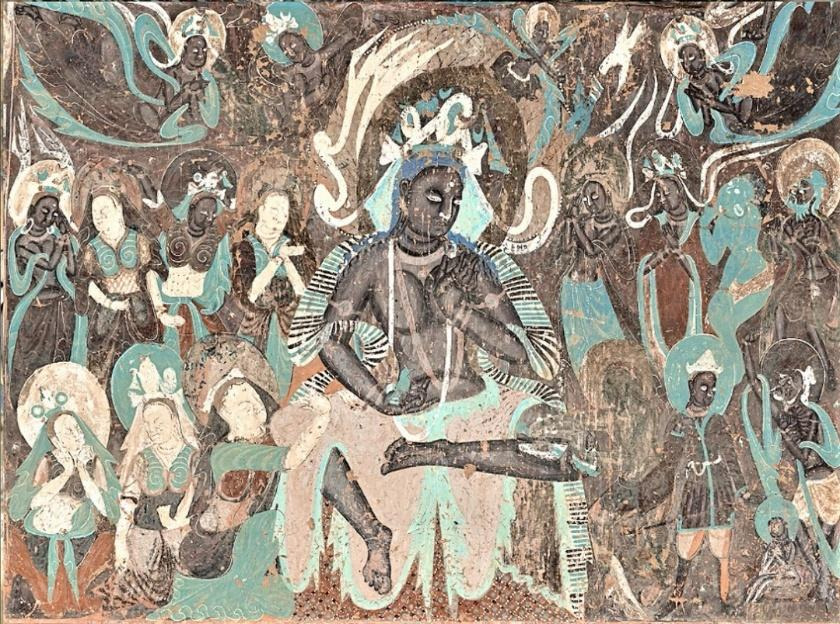
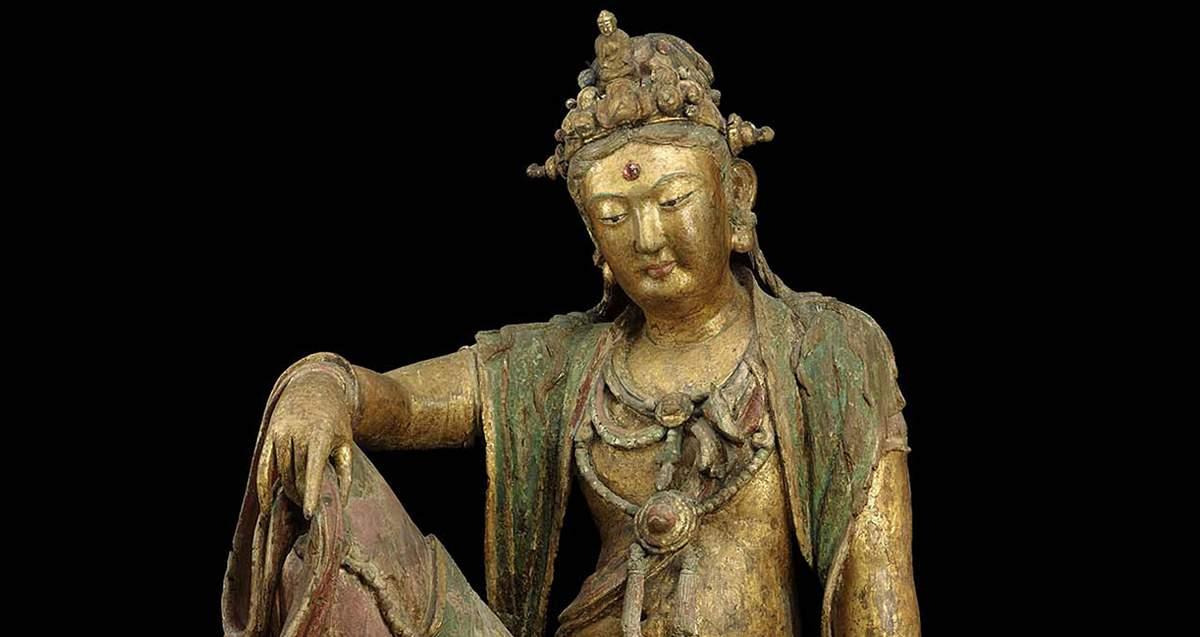
With the development of Mahayana Buddhism or “Great Vehicle”, a true iconographic explosion occurred. It is no longer just a matter of representing the historical Buddha, but of a universe populated by multiple Buddhas and bodhisattvas, each with specific attributes and functions. Among other figures, Amitābha (Buddha of Infinite Light) and Avalokiteśvara (bodhisattva of compassion) are examined, as well as their transformation in China into the female figure of Guanyin, one of the most revealing examples of cultural adaptation in the Buddhist repertoire.
The module tour includes some of the most outstanding artistic ensembles in Asia: the Mogao caves in Dunhuang (China), a great treasure of Buddhist art with nearly 500 rock-cut temples and extensive pictorial cycles; the Seokguram complex (Korea); and the temples of Nara and Kyoto (Japan). In these cases, we can see how Buddhism not only inspires images and architecture, but also cultural practices such as calligraphy, gardening and the tea ceremony, integrating doctrine, aesthetics and ways of life.
3. Art of Vajrayana Buddhism
Taught by Naty Sanchez Ortega, a historian with teaching experience in Tibetan Buddhist art, this module delves into the complex tantric iconographies, mandalas and ritual objects associated with Tibetan and Mongolian Buddhism.
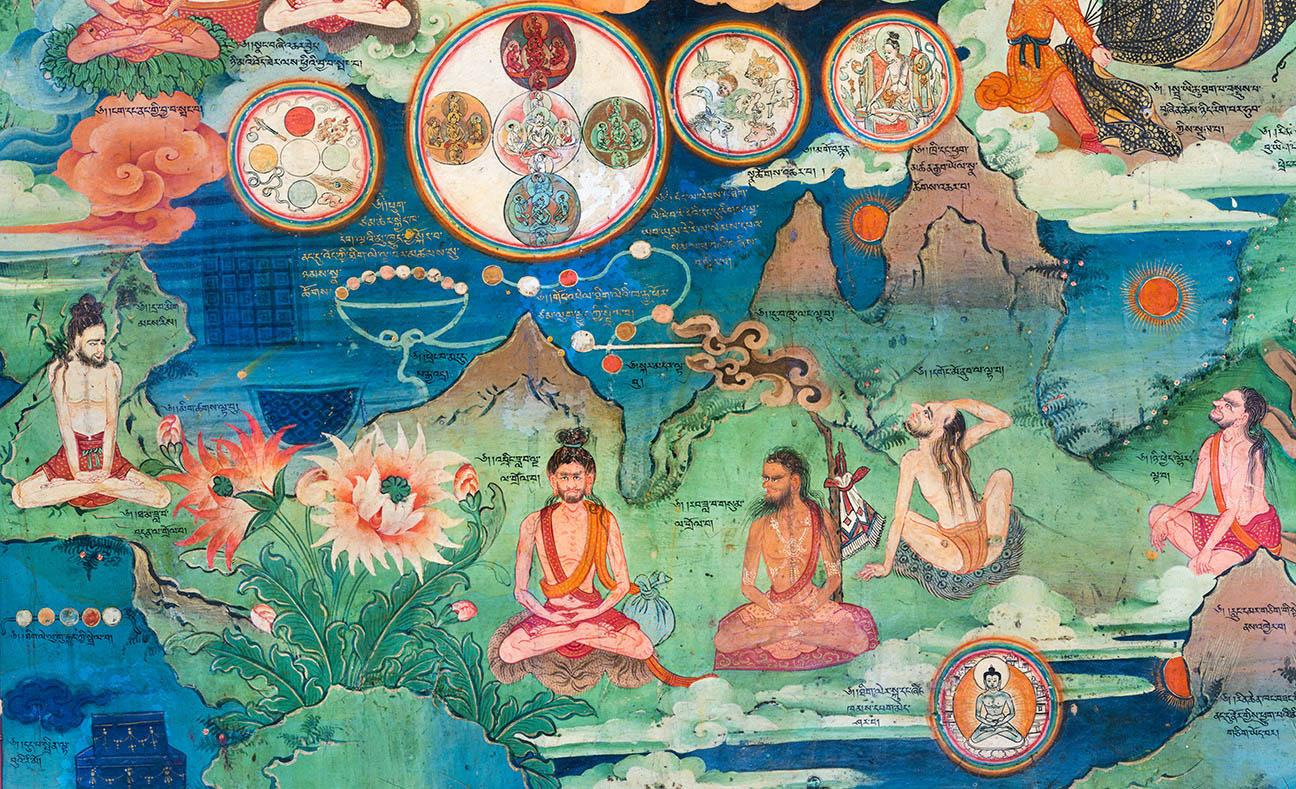
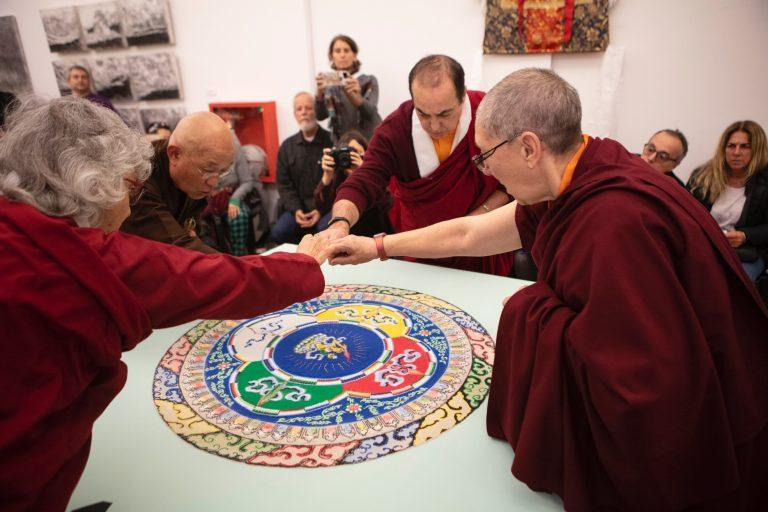
Vajrayana Buddhism, or “Diamond Vehicle”, developed perhaps the most complex iconographic system in Buddhist traditions. Mandalas, for example, function as true maps of the cosmos and of the mind: each deity, gesture, position, color and symbol has a precise meaning within an elaborate framework of spiritual transformation. This module explores how these representations are not only images to be contemplated, but also tools for meditative practice.
The tour addresses the rich visual universe of Tibetan Buddhism through Thangkas (paintings on canvas), gilded bronze statues, monastic architecture and ritual elements. The tradition of sand mandalas, ephemeral creations that symbolize impermanence, is also studied.
4. Art of Modern Buddhism
In charge of Roberto Figliulo (UAB), a researcher of contemporary manifestations of Buddhist art, this module addresses modern and current expressions of Buddhist art and their adaptations in the contemporary world.
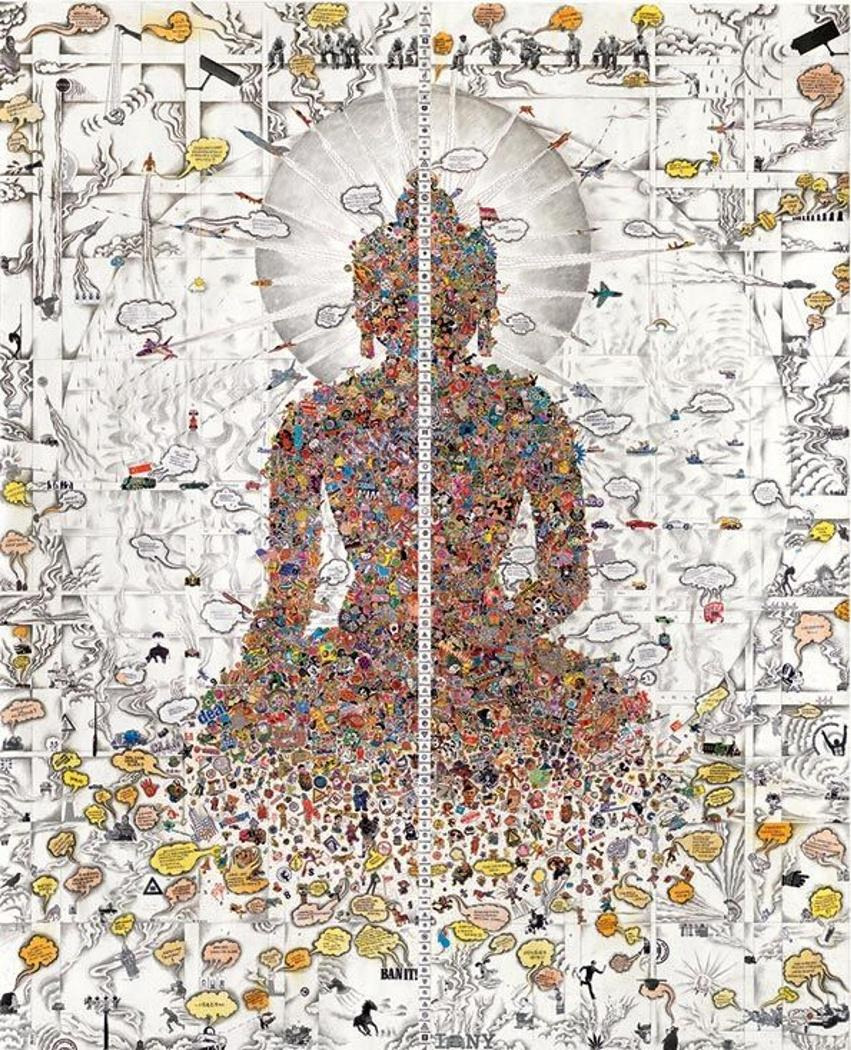
The encounter between Buddhism and modernity has generated new and suggestive forms of expression. On the one hand, there are artists who reinterpret traditional iconographies; on the other, Buddhist concepts such as impermanence or interdependence inspire works that do not necessarily use classical repertoires. This dialogue between tradition and innovation is especially revealing of the vitality of Buddhism as a source of artistic creation and visual reflection.
The module explores the work of contemporary artists influenced by Buddhism, the architecture of new Buddhist centers in the West and the global circulation of Buddhist references in contemporary visual culture, taking into account both continuities and transformations in materials, languages and reception contexts.
Academic direction
The course brings together a teaching team that combines academic rigor and a solid knowledge of Buddhist traditions. The academic direction is in charge of Dr. Gustavo Pita Céspedes (UAB) and Dr. Daniel Millet Gil.
FDG — UAB collaboration
The course emerges as an initiative of the Dharma-Gaia Foundation, an entity dedicated to the promotion of knowledge and practice of Eastern contemplative traditions, in collaboration with the UAB. This alliance integrates the university framework with sustained outreach through cultural and training activities, with the purpose of building bridges between Asian traditions and the Spanish-speaking public.
Contemporary Relevance
The interest in Buddhist art goes beyond what is strictly academic and connects with current concerns. In an environment saturated with visual stimuli, these traditions propose another relationship with the gaze: slower, more attentive and openly contemplative. Understanding how its symbols are constructed, how the sacred space is ordered and how its images circulate helps not only to appreciate art, but also to understand the contemporary dialogue between cultural heritage, spirituality and global visual culture.
Practical Information
Title: Specialization Course in Introduction to Buddhist Art: Beyond the Image (Code 5283/1).
Credits: 4 ECTS.
Modality: Virtual (100% online), in Spanish. The classes are recorded for viewing throughout the course.
Price: 120€.
Seats: Maximum of 50 places (minimum 30).
Enrollment period: from 15/11/2025 to 24/09/2026.
Course dates: It starts on 25/09/2026 and ends on 18/12/2026.
Schedule: Wednesday and Friday, from 17:00 to 18:00 (Barcelona time).
Registration and contact: Registration is made through the UAB registration sheet, available here: “Introduction to Buddhist Art: Beyond the Image” (code 5283/1).
The accreditation of the 4 ECTS is subject to the academic criteria of the program within the framework of the UAB.
For more information, you can contact:
Contact: Gustavo Pita Céspedes
- Email: gustavo.pita@uab.cat
- Telephone: +34 93 586 8901
Dharma-Gaia Foundation: secretaria@fundaciondharmagaia.com
Useful links:
Faculty of Translation and Interpretation of the Autonomous University of Barcelona


